How-To & Handling
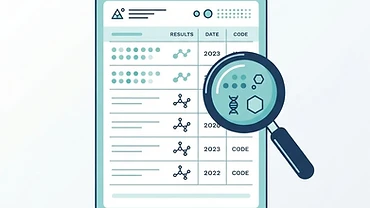
How to Read a Certificate of Analysis (COA) for Peptides
A COA can look like confusing lab paperwork. Here is how to actually read one and know what it is telling you.
September 9, 2026 4 min
Articles
A COA can look like confusing lab paperwork. Here is how to actually read one and know what it is telling you.
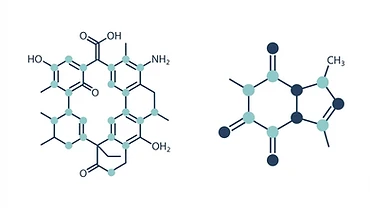
These two peptides share a name but almost nothing else. Here is what actually separates thymosin alpha-1 from thymosin beta-4.

Semax and Selank are approved medicines in Russia but not in the US. Here is what each one actually does and how they differ.
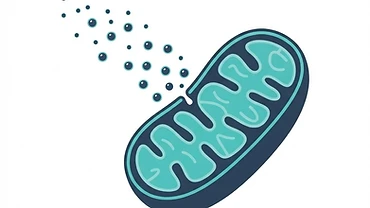
MOTS-c is not made from a normal gene. It comes from your mitochondria's own DNA. Here is what that means and what the research actually shows.
Epithalon gets called a telomere lengthening peptide, but almost all the research comes from one lab. Here is what is actually known.
Cagrilintide is not a GLP-1 drug. It works through a totally different natural hormone. Here is how it works and why it gets paired with semaglutide.
Reconstitution just means mixing a peptide powder with liquid. Here is the actual science behind why it is done this way, not a dosing guide.
Puffiness or swelling after starting a growth hormone peptide is a real, documented effect. Here is why it happens and why it usually settles down.

Social media is full of confident peptide claims. Here are the most common ones, checked against what the actual research shows.
We use analytics cookies to understand how the site is used. By continuing, you agree to our use of cookies. See our Privacy Policy.
