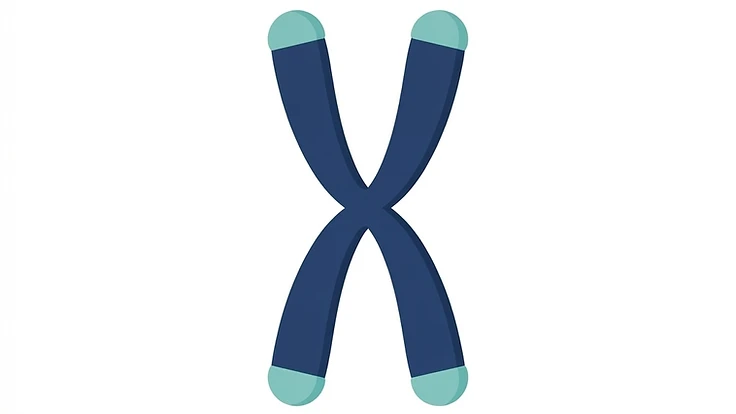
Quick answer: Epithalon, also spelled Epitalon, is a very small, four amino acid peptide studied mainly by one research group in St. Petersburg, Russia, led by Vladimir Khavinson. The core idea behind it is that it may activate telomerase, an enzyme tied to the protective caps on the ends of your chromosomes called telomeres. Cell studies and animal studies from this research group have shown real, interesting effects. Independent replication outside that one research group is limited, and there is no solid, controlled human trial proving it extends life or meaningfully lengthens telomeres in people.
What Telomeres and Telomerase Actually Are
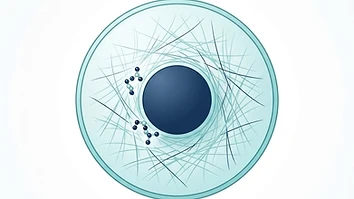
Every time a cell divides, the protective caps on the ends of its chromosomes, called telomeres, get slightly shorter. Once they get too short, a cell can no longer divide, which is one of the ways aging shows up at a cellular level. Telomerase is an enzyme that can rebuild those caps. Most cells in your body have very little active telomerase, which is part of why this shortening process happens over time in the first place.
What Epithalon Actually Is
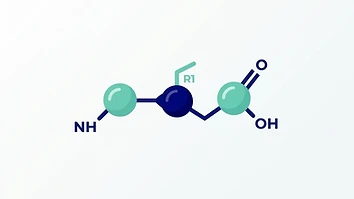
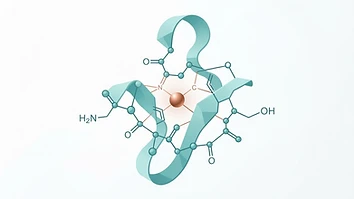
Epithalon is made of just four amino acids, in the sequence alanine, glutamic acid, aspartic acid, glycine. It was built as a synthetic version of a natural extract from the pineal gland, a small structure in the brain that also controls melatonin and your sleep cycle. It was developed in the 1980s and has been studied by the same research institute for decades since.
What the Cell and Animal Research Shows
Research from Khavinson's group has reported some notable findings. In human cell cultures that had lost the ability to divide further, adding Epithalon appeared to switch telomerase activity back on and allowed the cells to divide roughly 10 more times before stopping again, along with measurable telomere lengthening in those cultures. In mouse studies from the same group, Epithalon exposure was linked to a longer lifespan and lower rates of certain tumors compared to untreated mice.
These are genuinely interesting results. They are also, almost entirely, results from one lab.
Why the Single-Lab Pattern Matters
Good scientific practice generally wants to see a finding repeated by different, independent research teams before treating it as solid. Epithalon's most striking findings, the telomerase activation and the lifespan extension in animals, come overwhelmingly from Khavinson's own research group, with only limited independent replication published elsewhere. That does not make the findings false. It means the evidence base is narrower than it might first appear, since one research group's methods and interpretations have not been checked as broadly as this topic would ideally call for.
What Has Not Been Shown
There is no published, independently reviewed, controlled human trial demonstrating that Epithalon meaningfully lengthens telomeres in a healthy adult, or that it extends human lifespan the way the animal data suggests it might. The idea is biologically plausible based on the mechanism, but plausible is a different word than proven, and that gap has not been closed by the current research.
Myth vs. Fact
Myth: Epithalon has been proven to reverse aging in humans. Fact: The proven findings are in cell cultures and animals, mostly from a single research group. No independently confirmed human trial has shown the same telomere lengthening effect in people.
Myth: Since the cell and animal data looks impressive, the human effect is basically guaranteed. Fact: Impressive early stage findings do not always hold up the same way in later, independent, human research. This gap has shown up across many areas of medicine, not just this peptide.
Bottom Line
Epithalon has a genuinely interesting research story behind it, telomerase activation in cells and lifespan effects in animals, but nearly all of that evidence comes from one research group, and no solid human trial has confirmed the same effects in people. Understanding that gap is the most important thing to know before treating any claim about this peptide as settled science.
Research use only. This article is for general education and is not medical advice. Epithalon is not approved by the FDA for any use in humans. Talk to a licensed doctor before making any health decision.
Sources referenced: Khavinson, Bondarev, and Butyugov, Bulletin of Experimental Biology and Medicine, 2003 and 2004, on Epithalon and telomerase activity in human fibroblasts; Anisimov, Khavinson, and colleagues, mouse lifespan studies; independent research summaries from Superpower and Loti Labs noting the limited independent replication of these findings.