Quick answer: Mild puffiness, swelling in the hands or feet, or a general feeling of holding extra water is a real, well documented effect linked to raising growth hormone. It happens because growth hormone changes how your kidneys handle sodium, and where sodium goes, water follows. For most people, this effect is strongest in the first one to two weeks and settles down as the body adjusts.
Why Growth Hormone Affects Water Balance At All
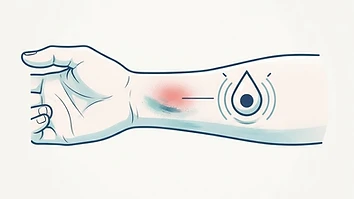
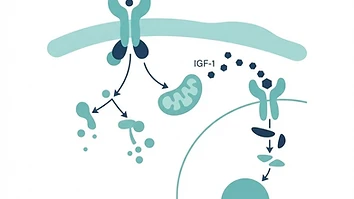
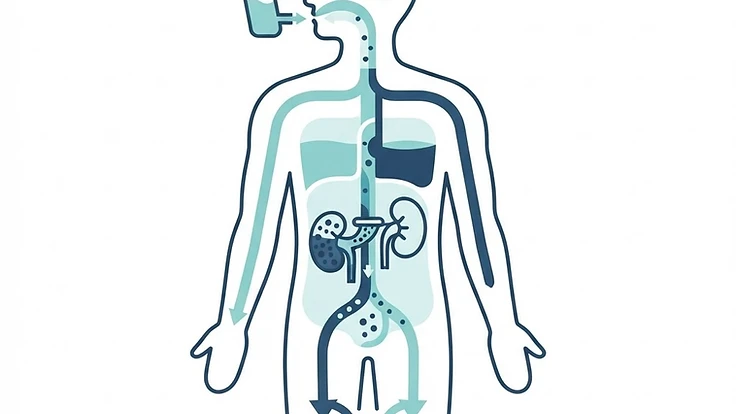
Growth hormone does more than just support muscle and tissue growth. It also acts on your kidneys, activating a hormone system called the renin-angiotensin-aldosterone system, which controls how much sodium your body holds onto. When this system gets more active than usual, your kidneys retain more sodium, and water follows sodium naturally. The result is extra fluid sitting in your tissues, which shows up as swelling, most often in the hands, feet, and around the eyes.
Human research going back decades has documented this effect directly, showing that growth hormone administration measurably increases the fluid volume outside of cells in the body, along with changes in the specific hormones that control sodium balance.
Why This Applies to GH Secretagogue Peptides Too
Peptides like ipamorelin, CJC-1295, and sermorelin do not contain growth hormone directly. They work by telling your own pituitary gland to release more of it. But once your body's growth hormone level actually rises, the same downstream effects on sodium and water balance can show up, regardless of whether the growth hormone came from an injection or from your own pituitary being stimulated to release more.
What a Normal Amount of This Looks Like
Based on documented research and community reporting, a small amount of puffiness, sometimes described as one to two pounds of extra water weight, along with mild swelling in the extremities, is generally considered a common and expected response, especially in the first one to two weeks of raising growth hormone levels.
Why It Tends to Improve Over Time
The body does not just passively accept a new fluid balance. Research shows that after the initial rise in sodium retention, the kidneys tend to normalize sodium output over time, which is part of why this side effect is usually most noticeable early on and gradually improves as the body adjusts to a new baseline.
What Makes It Worse or Better
Sodium intake plays a real role here, separate from anything peptide related. Someone eating a lot of processed food, restaurant meals, or salting food heavily is already retaining more water than someone eating a lower sodium diet, and adding a GH secretagogue on top of that will make the total effect more noticeable. Managing overall sodium intake, staying hydrated, and giving the body time to adjust are the most commonly discussed, non-peptide ways people address this.
When It's Worth Paying More Attention
Mild puffiness that improves over a few weeks fits the pattern described in research. Swelling that is severe, that does not improve over time, or that comes with other symptoms like high blood pressure or shortness of breath is a different situation and is worth discussing with a doctor rather than just waiting out.
Myth vs. Fact
Myth: Water retention on these peptides means something is wrong or the product is bad. Fact: This is a well documented, expected physiological response to raised growth hormone levels, not a sign of a defective or contaminated product.
Myth: There is nothing you can do about it except stop using the peptide. Fact: Diet and sodium intake play a real, measurable role alongside the peptide's own effect, and the body's own compensating mechanisms tend to reduce the effect over the following weeks regardless.
Bottom Line
Water retention linked to raised growth hormone is a real, well studied effect, not a myth or a red flag on its own. It tends to be most noticeable early on, is influenced by diet and sodium intake, and generally improves within a few weeks as the body adjusts.
Research use only. This article is for general education and is not medical advice. Severe or persistent swelling should be evaluated by a licensed doctor.
Sources referenced: Research on growth hormone and renal sodium handling published in the American Journal of Physiology-Endocrinology and Metabolism; research on growth hormone administration and extracellular fluid volume published in the Journal of Clinical Endocrinology & Metabolism; community discussion of water retention patterns from Derek Pruski's peptide research newsletter.