Quick answer: Cagrilintide is not a GLP-1 drug like semaglutide or tirzepatide. It is built to copy a different natural hormone called amylin, which your body releases alongside insulin after eating. It is most often discussed as part of a combination with semaglutide, called CagriSema, since the two work through separate pathways that appear to add together rather than just overlap. As of 2026, cagrilintide is not FDA approved on its own or as part of the combination.
What Amylin Actually Does
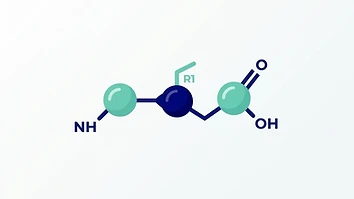
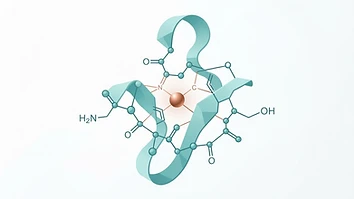
Amylin is a hormone your pancreas releases at the same time as insulin, right after you eat. Its normal job includes slowing down how fast your stomach empties and helping signal fullness to your brain. Cagrilintide is a lab-made version of this hormone, engineered to last much longer in the body than the natural version does.
Why It Gets Paired With Semaglutide
Semaglutide works on the GLP-1 pathway, a completely separate signaling system from amylin. Because the two hormones work through different routes to the same general goal, less appetite and slower digestion, researchers tested whether combining them would produce a bigger combined effect than either one alone.
An early trial testing cagrilintide alongside semaglutide found the combination produced more weight loss than semaglutide by itself. That result was the first real human evidence that these two pathways add together rather than just doing the same job twice, which is the whole reasoning behind the combination now known as CagriSema.
What the Later Trials Have Shown
A larger Phase 3 trial testing the fixed combination found a meaningful average weight loss result over about a year and a half, notably higher than semaglutide alone typically produces. It is worth noting that this combination's results in a larger trial came in somewhat below what earlier, smaller trials had suggested might be possible, a reminder that early trial numbers do not always hold exactly at a larger scale.
Where Cagrilintide Stands Right Now
As of 2026, neither cagrilintide alone nor the CagriSema combination has FDA approval. Both remain under investigation, tested through formal clinical trials rather than available through a regular prescription. This puts cagrilintide in a different category than semaglutide and tirzepatide, which are already approved, and in a similar category to retatrutide, which is also still working through the clinical trial process.
Myth vs. Fact
Myth: Cagrilintide is just another version of a GLP-1 drug like semaglutide. Fact: Cagrilintide works through the amylin pathway, a completely different hormone system from GLP-1. The two are paired specifically because they are different, not because they do the same thing.
Myth: Since early trial results looked very strong, the final approved version will show the exact same numbers. Fact: A larger, more recent Phase 3 trial showed weight loss results below what smaller, earlier trials had suggested. Bigger trials sometimes reveal a more modest, though still meaningful, real world effect.
Bottom Line
Cagrilintide adds a second, separate hormone pathway to the metabolic peptide conversation, working through amylin rather than GLP-1. Its pairing with semaglutide has real, positive trial data behind it, but as of now it remains an investigational combination rather than an approved treatment.
This article is for general education and is not medical advice. Cagrilintide and the CagriSema combination are investigational and not approved for any use outside of clinical trials. Talk to a licensed doctor about any weight or metabolic health decision.
Sources referenced: Enebo and colleagues, The Lancet, 2021, early cagrilintide and semaglutide combination trial; REDEFINE-1 Phase 3 trial data on CagriSema; Novo Nordisk clinical trial registrations on ClinicalTrials.gov.