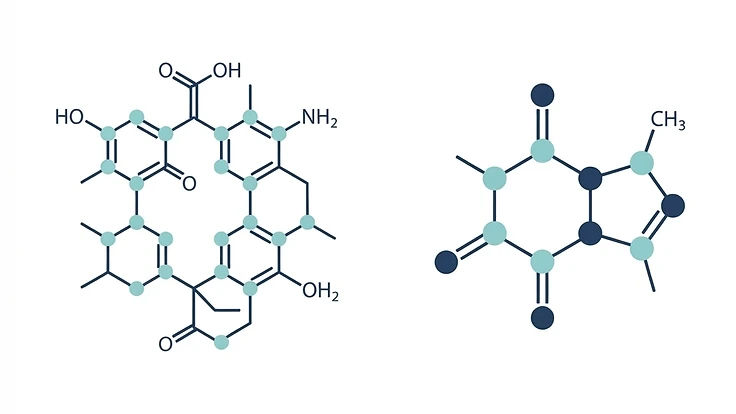
Quick answer: Thymosin alpha-1 and thymosin beta-4 share a name because they were both first isolated from the same thymus gland extract decades ago, but they are chemically distinct peptides with completely different jobs. Thymosin alpha-1 works on immune cells and has real, approved drug status in many countries outside the United States. Thymosin beta-4 works on cell movement and is the parent molecule behind the research peptide TB-500. Research on one tells you essentially nothing about the other.
Why They Share a Confusing Name
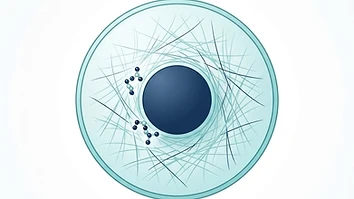
Both peptides were originally isolated from an extract of thymus tissue called thymosin fraction 5, discovered decades ago during research into immune function. Because they came from the same original extract, they both kept the thymosin name, even though follow up research showed they work in completely different ways. This shared origin is really the only thing connecting them.
What Thymosin Alpha-1 Actually Does
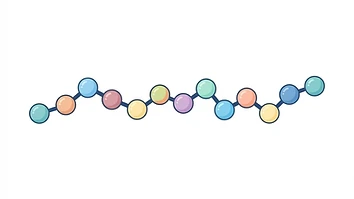
Thymosin alpha-1 is a 28 amino acid peptide that works on the immune system, specifically influencing T cells, a key part of your immune response. It is thought to activate certain receptors, called toll-like receptors, that help kick off a stronger immune response.
This is the peptide with the more serious clinical history of the two. Sold under the brand name Zadaxin, thymosin alpha-1 is an approved drug in more than 35 countries, mainly used for hepatitis B and C and to support immune function in certain other conditions. A large trial in hepatitis B patients found a notably higher rate of viral clearance in patients treated with it compared to a placebo group. More recent research has also studied it for conditions like sepsis and severe pancreatitis, with results that have been more mixed, including one large 2025 sepsis trial that did not find a reduction in mortality, despite an earlier, smaller trial suggesting a benefit.
What Thymosin Beta-4 Actually Does
Thymosin beta-4 is a completely different peptide, 43 amino acids long, and its main job involves controlling a protein called actin, which cells use to move and change shape. This is the mechanism tied to wound healing, cell migration to an injury site, and new blood vessel growth. Thymosin beta-4 is also the natural, full length protein that the popular research peptide TB-500 is built from, using just a small fragment of the whole molecule. For the full story on that specific fragment, see our TB-500 guide.
The full length thymosin beta-4 protein has reached later stage human trials in ophthalmology, research into treating certain eye conditions, giving it a real, if narrower, human clinical trial history of its own.
Why Mixing These Two Up Actually Matters
Because they share a name, it is easy to see one peptide's research and assume it applies to the other. It does not. A study on thymosin alpha-1's immune effects says nothing about thymosin beta-4's role in tissue repair, and the reverse is just as true. Anyone reading research in this space needs to check specifically which thymosin is being discussed before drawing any conclusion.
Side by Side
| Thymosin Alpha-1 | Thymosin Beta-4 | |
|---|---|---|
| Size | 28 amino acids | 43 amino acids |
| Main system affected | Immune system, T cells | Cell movement, actin regulation |
| Approved drug status | Yes, in over 35 countries, as Zadaxin | No approved drug, but reached later stage trials for eye conditions |
| Related research peptide | Not directly tied to a popular fragment peptide | Parent molecule of TB-500 |
Myth vs. Fact
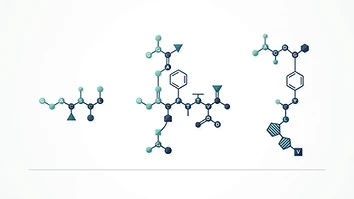
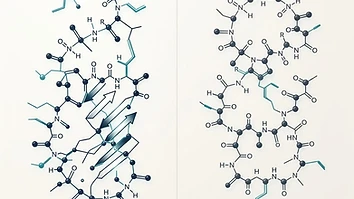
Myth: Thymosin Alpha-1 and Thymosin Beta-4 are basically two names for the same peptide. Fact: They are chemically distinct molecules with different sizes, different mechanisms, and different areas of research entirely. The shared name reflects a shared origin, not a shared function.
Myth: Since Thymosin Alpha-1 is an approved drug elsewhere, its research supports using TB-500 in the US. Fact: TB-500 comes from thymosin beta-4, an entirely separate molecule from thymosin alpha-1. Approval and research on one has no bearing on the other.
Bottom Line
Thymosin Alpha-1 and Thymosin Beta-4 are a clear example of why peptide names alone can be misleading. They share a word and a historical origin, but they work through entirely different systems, and only one of them has the kind of broad, approved drug status that most peptides discussed in research spaces do not.
Research use only, except where thymosin alpha-1 is used as the approved medication Zadaxin under appropriate international regulatory frameworks. This article is for general education and is not medical advice. Talk to a licensed doctor before making any health decision.
Sources referenced: Superpower's comparative overview of the thymosin peptide family; clinical trial data on thymosin alpha-1 in hepatitis B, sepsis, and severe acute pancreatitis; research on thymosin beta-4's actin-binding mechanism and its relationship to TB-500.