Quick answer: TB-500 is a small, lab-made piece of a much bigger protein your body already makes, called thymosin beta-4. Researchers study it for its role in cell movement and tissue repair. The full-length natural protein has more human research behind it than the small piece sold as TB-500 does, and that gap matters more than most articles admit.
What TB-500 Actually Is
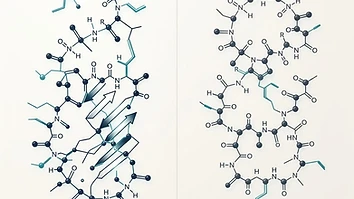
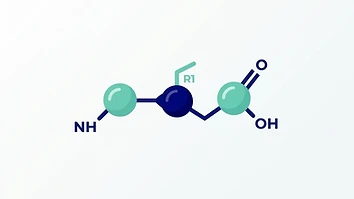
Your body makes a protein called thymosin beta-4. It is 43 amino acids long and it shows up in almost every cell in your body. TB-500 is not that whole protein. It is a much smaller, synthetic piece of it, just 17 amino acids, built around the part of the protein that binds to actin.
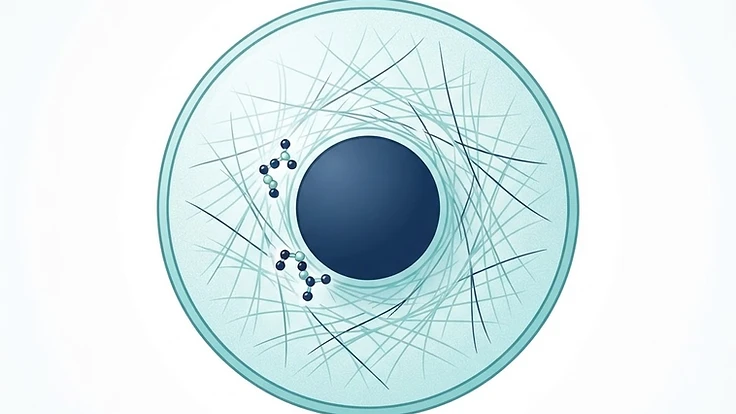
Actin is a protein inside your cells that helps them move and change shape. This matters for healing, because cells often need to migrate to an injury site to repair it.
How TB-500 Is Thought to Work
The proposed mechanism is fairly simple to describe. TB-500 is thought to grab onto actin and help regulate how it builds and breaks down inside cells. That, in turn, is linked to how well cells can move toward damaged tissue and support blood vessel growth there.
Researchers have studied this broader effect, cell migration and angiogenesis, in the context of wound healing, heart tissue after a heart attack, and even eye tissue.
A Detail Almost Nobody Mentions
Here is the part worth slowing down on. A large 2026 review looked at 80 studies related to thymosin beta-4 and TB-500. Only one of those 80 studies actually tested TB-500, the short synthetic piece, directly. The other 79 tested the full length natural protein or a different related piece.
That means most of what gets repeated online as "TB-500 research" is really research on a related but different molecule. It is not necessarily wrong to draw conclusions from it, but it is a real gap worth knowing about before you take any claim at face value.
What the Human Evidence Actually Looks Like
The full length protein, thymosin beta-4, has reached later stage human trials for some uses, including eye healing research. That gives it a stronger human data foundation than most other research peptides discussed online.
TB-500 itself, the short fragment, has not completed a published human trial for the uses it is most often discussed for online, like tendon and muscle recovery.
One Important Complication
Thymosin beta-4 does not act the same way in every organ. In liver tissue, some research has linked it to promoting scarring rather than healing, a process called fibrosis. This is a good reminder that "supports tissue repair" is not a blanket, risk-free claim across the whole body. Context matters.
Myth vs Fact
Myth: TB-500 and thymosin beta-4 are the exact same thing. Fact: TB-500 is a small synthetic piece of the larger natural protein. They are related but not identical, and most published research studied the larger protein, not the small piece.
Myth: More research means it is proven safe for recovery use in people. Fact: A large research base on the parent protein does not automatically transfer to safety data for the synthetic fragment sold as TB-500.
Bottom Line
TB-500 is a real, studied molecule with a real mechanism story behind it. But a lot of what gets shared about it online actually describes research on its bigger parent protein, not TB-500 itself. Knowing that difference helps you read any TB-500 claim with the right amount of caution. For a full breakdown of how it compares to its usual research partner, see our BPC-157 vs TB-500 guide.
Research use only. This article is for general education and is not medical advice. TB-500 is not approved by the FDA for use in humans. Talk to a licensed doctor before making any health decision.
Sources referenced: McGuire, Hughes, Maak and Cushman scoping review on thymosin beta-4 and TB-500, published in Applied Sciences, 2026; peer reviewed research on thymosin beta-4 in liver and kidney fibrosis models; RethinkPeptides mechanism overview.