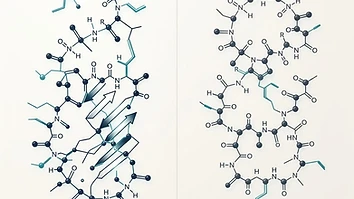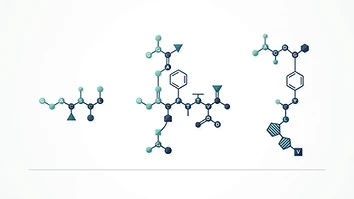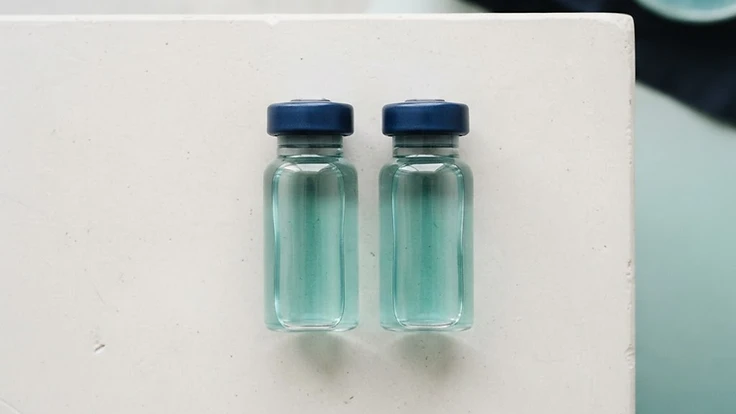
Quick answer: GLOW and KLOW are pre-mixed research peptide blends that share the same three main peptides: GHK-Cu, BPC-157, and TB-500. KLOW is that exact same blend with one thing added, a peptide called KPV. That single ingredient is the whole difference. GLOW tends to get discussed for calm skin that just needs structural repair. KLOW, with its added anti-inflammatory piece, tends to get discussed when inflammation is part of the picture.
What's Actually in Each Vial
GLOW contains three peptides.
GHK-Cu is a copper-binding peptide studied for its role in collagen, antioxidant activity, and broad changes in gene activity in skin and connective tissue.
BPC-157 is studied for new blood vessel growth and local tissue repair.
TB-500 is studied for cell movement and support of the wider healing process.
KLOW contains those same three peptides, plus one more.
KPV is a small peptide cut from a hormone called alpha-MSH. It is studied for calming inflammation and fighting microbes, and it works through a different pathway than the other three peptides in the blend.
That is the whole comparison at the ingredient level. Everything else people say about GLOW versus KLOW comes down to how that one added peptide changes what the blend is good for.
Why the Difference Matters
GHK-Cu usually makes up the largest part of both blends by weight, since it is the piece most tied to the "glow" idea. Its research links it to collagen strengthening, clearing out damaged tissue, and switching on a large share of genes tied to repair and antioxidant activity. BPC-157 and TB-500 add the blood vessel growth and cell movement piece in both blends equally.
KPV is the variable. Because it is studied for calming inflammation on its own, its presence is what pushes KLOW toward being the blend more often discussed for skin dealing with ongoing redness, reactive skin, or irritation after a procedure. GLOW, without KPV, tends to get discussed more for calm skin where the goal is purely structural, things like firmness, texture, and fine lines.
Head-to-Head
| GLOW | KLOW | |
|---|---|---|
| Base peptides | GHK-Cu, BPC-157, TB-500 | GHK-Cu, BPC-157, TB-500 |
| Added peptide | None | KPV |
| Main research angle | Structural repair, collagen support | Same, plus calming inflammation |
| Most discussed for | Calm skin, firmness, texture | Reactive or irritated skin |
| Evidence for the blend itself | No controlled human trial of the mixed formula | No controlled human trial of the mixed formula |
An Important Point That Applies to Both
Neither GLOW nor KLOW has been tested as a combined formula in a controlled human trial. The idea behind each blend comes from combining peptides that have been researched separately, based on how their mechanisms might work well together, not from a clinical study of the actual mixture. Each ingredient has its own separate research base, and that research varies a lot in how much comes from real human studies versus cell and animal studies. If you want to really understand any one piece of these blends, it helps to read about that specific peptide on its own instead of assuming a blend's marketing fully reflects the science behind it.
Myth vs. Fact
Myth: KLOW is just a stronger version of GLOW. Fact: KLOW is not a bigger dose of the same thing. It is the same three-peptide base plus a fourth peptide added for a different job, calming inflammation. More ingredients is not the same as more strength.
Myth: These blends have been clinically tested as anti-aging treatments. Fact: The individual peptides inside each blend have their own research, but the pre-mixed blend itself, GLOW or KLOW as a formula, has not been tested in a controlled human trial.
Choosing Between Them
If your research interest is purely structural, things like collagen and skin texture, GLOW's three-peptide base covers that without adding anything extra. If inflammation is specifically part of what you are researching, KLOW's added KPV is the more directly relevant formula. Either way, the same sourcing standard applies. Look for a vial that comes with a real, independent lab test, not just a name and a marketing page.
Research use only. Not for human consumption. This article is for general information. It is not medical advice. These peptides and blends are not approved by the FDA. Talk to a licensed doctor before making any health decision.
Sources referenced: Peptide mechanism and blend composition reporting from PeptideFox, ObGyn Key, Onyx Biolabs, and pspeptides.com; research on GHK-Cu gene expression effects by Pickart and Margolina, published in Cosmetics.