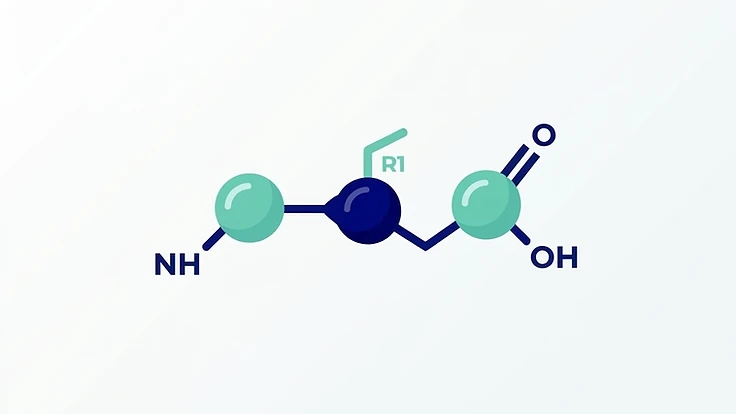
Quick answer: KPV is one of the smallest peptides discussed in this space, just three amino acids long. It is a piece cut from a natural hormone called alpha-MSH. Researchers study it mainly for calming inflammation in the gut and skin, and its mechanism is genuinely a little different from most other peptides in this category.
What KPV Actually Is
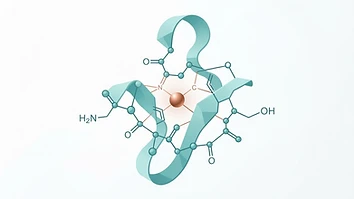
KPV takes its name from its three amino acids: lysine, proline, and valine. It comes from the tail end of a hormone your body already makes called alpha-MSH, short for alpha-melanocyte-stimulating hormone. That parent hormone does a lot of jobs in the body, including regulating skin pigment and appetite, but KPV only keeps a small piece of it.
Because it is clipped from the tail end, KPV does not activate the same hormone receptors as the full molecule. It does not affect pigment. It does not affect appetite. What is left, according to researchers, is mostly the anti-inflammatory piece of the original hormone.
How KPV Is Thought to Work
This is one of the more interesting mechanism stories in the peptide space, because KPV does not work the way most inflammation-related compounds do. Most drugs that calm inflammation act on the outside of a cell, at receptors on the cell surface.
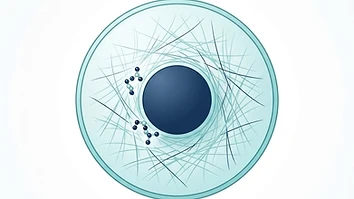
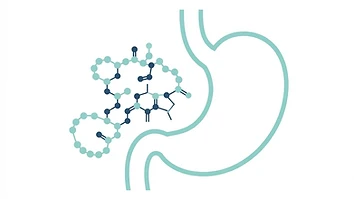
KPV is small enough to be pulled directly inside a cell using a transporter called PepT1, which normally moves small protein pieces from digested food into intestinal cells. Once inside, research suggests KPV blocks a pathway called NF-kB, which is one of the body's main switches for turning on inflammation at the gene level.
There is a detail here that actually makes sense biologically. PepT1 activity increases in inflamed gut tissue. That means, at least in theory, KPV gets pulled more strongly into the exact tissue that is already inflamed.
What the Research Has Looked At
Much of the foundational research on KPV comes from a 2008 study published in the journal Gastroenterology, which found that KPV reduced gut inflammation markers in two different mouse models of colitis. More recent research has also looked at KPV's effect on inflamed skin cells, including a 2025 study on skin cells exposed to air pollution particles, where KPV reduced several inflammatory signaling markers.
Most of this is still animal and cell research, not large human trials. That puts KPV in a similar evidence position to most of the other peptides discussed across this site.
Why KPV Shows Up in Blends Like KLOW
KPV is the ingredient that turns the GLOW blend into KLOW. Since it targets inflammation specifically, it gets added to blends aimed at skin that is dealing with redness or irritation, alongside peptides like GHK-Cu, BPC-157, and TB-500 that focus more on structural repair. For the full breakdown of that comparison, see our GLOW vs KLOW guide.
Myth vs Fact
Myth: KPV works the same way as the alpha-MSH hormone it comes from. Fact: KPV keeps only a small piece of alpha-MSH and does not activate the same receptors. It skips the pigment and appetite effects entirely.
Myth: Since KPV is naturally derived, it cannot cause a reaction. Fact: Some research and community reports describe more noticeable injection site reactions with KPV than with some other peptides, possibly linked to how directly it interacts with immune cells. Being naturally derived does not remove that possibility.
Bottom Line
KPV stands out for its unusual, cell entering mechanism and its very small size. The animal and cell research behind it is genuinely interesting, but like most of what is discussed in this space, it has not yet been tested in large human trials.
Research use only. This article is for general education and is not medical advice. KPV is not approved by the FDA for use in humans. Talk to a licensed doctor before making any health decision.
Sources referenced: 2008 Gastroenterology study on KPV and colitis models; 2025 skin cell research on KPV and inflammation; peer reviewed background on alpha-MSH and its anti-inflammatory fragments published in PMC.