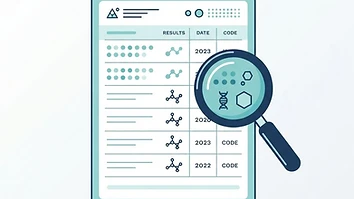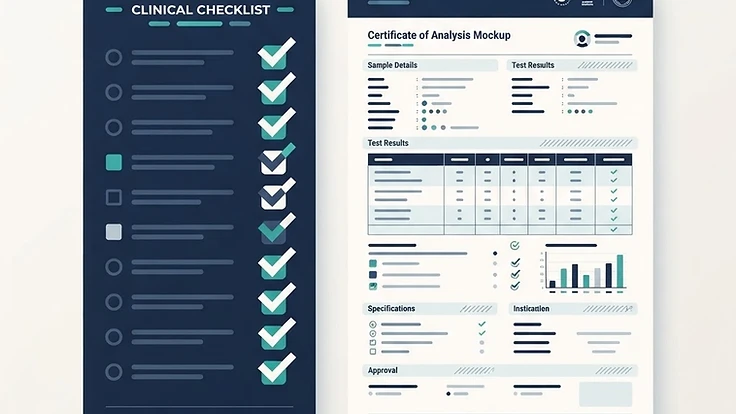
Quick answer: The peptide research community, especially on Reddit, has built its own informal way of checking vendors. It comes down to a few repeated signals. Independent lab testing with results the vendor actually shares. A clear certificate of analysis, called a COA. Purity numbers you can check. Steady quality over time, not just one good batch. And a track record other researchers can actually see. None of this needs insider knowledge. Anyone can look for these things before buying.
Why This Even Needs a Checklist
The research peptide market has almost no central oversight the way approved medicines do. Sellers ship compounds labeled for lab research only, not for human use, and quality control mostly comes down to what each seller chooses to do on their own. That gap is exactly why peptide communities built such a strong culture around checking sources. When no regulator is doing it for you, the community does it instead.
What Reddit and Forum Communities Actually Look For
Long running peptide communities have built up a pretty consistent set of habits over years of shared experience. Here are the signals that keep coming up.
Independent lab testing, not just something the vendor made themselves. A vendor sharing their own in-house purity numbers is a start, but it is not real proof. What builds real trust is testing from an outside lab with no financial tie to the vendor, plus a way to check that the specific COA matches the specific batch you are buying.
A COA you can actually verify, not just a PDF. A real certificate of analysis should show the testing method used, usually HPLC or mass spectrometry, the exact batch or lot number, and a testing date. A generic, undated document that could belong to any batch is a warning sign, not reassurance.
Steady quality over time, not one lucky result. One clean COA tells you about one batch. Real trust in these communities builds around vendors who keep the same purity across many orders and many batches, tracked over months, not just a single snapshot.
A visible track record. Communities that vet vendors heavily rely on long post histories, people who ordered more than once and reported back, good or bad. A vendor with no visible history, or only very recent glowing reviews, is much harder to judge than one with years of community feedback behind it.
Realistic marketing, not hype. Claims that a compound cures, reverses, or guarantees a specific result do not match where the actual science stands for almost anything in this space. Research peptides are, by definition, still being researched. Language that oversells certainty is one of the more reliable warning signs across the whole space.
Red Flags Worth Taking Seriously
Prices far below the rest of the market with no explanation, since underdosed or diluted product is a real, known risk. No COA at all, or a COA that is not tied to a specific batch. No clear information about where the product is manufactured. Marketing that makes direct medical claims about human outcomes. No real way to contact the company beyond a checkout page.
What "Fast Shipping" and "Third-Party Testing" Actually Signal
Two phrases show up over and over in peptide community discussions of trusted vendors: fast, reliable domestic shipping, and third-party COA availability. Neither one is complicated on its own, but together they signal something real. A vendor investing in solid logistics and outside testing is generally running this as a legitimate, ongoing business, not a quick, fly-by-night operation.
Why This Matters Beyond Just Getting What You Paid For
Purity and sourcing are not only about value for money. They connect straight back to safety. A poorly made or contaminated product can cause reactions or effects that have nothing to do with the peptide's actual studied mechanism. Checking a vendor is really part of checking the safety of what you are researching.
Myth vs. Fact
Myth: A professional looking website is a good sign of legitimacy. Fact: Website design has nothing to do with purity or testing. Plenty of well-designed sites sell untested or poorly made product. Independent testing documents are the real signal, not design.
Myth: The cheapest option is the best deal as long as it shows up. Fact: Prices well below the rest of the market are one of the most consistent warning signs of underdosed or diluted product discussed in community vetting threads.
Bottom Line
You do not need insider knowledge to evaluate a peptide vendor. You need to know what to ask for. Independent, batch-specific testing and a visible, steady track record matter more than anything in the marketing.
Research use only. This article is for general information and reflects common practices discussed in peptide research communities. It is not an endorsement of any specific compound for human use. Talk to a licensed doctor before making any health decision.
Sources referenced: Community vendor vetting practices documented across peptide discussion forums; general standards for certificate of analysis verification in the research chemical space.