Quick answer: GHK-Cu is a tiny, naturally occurring peptide made of just three amino acids bound to a copper ion. Your body makes it on its own, but the amount in your blood drops a lot as you get older. Researchers have linked it to collagen production, wound healing, and changes in gene activity. It is one of the more studied peptides in this space, and part of that is because it shows up in your body naturally instead of only being a lab invention.
What Makes GHK-Cu Different From Most Research Peptides
Most peptides discussed in research and biohacking circles are fully synthetic. GHK-Cu is not. It was first found in human blood plasma back in 1973, and it is still present in your blood, saliva, and urine right now. What changes is the amount. Around age 20, GHK-Cu levels sit at roughly 200 nanograms per milliliter of blood. By age 60, that number drops to around 80. That steep natural decline is a big part of why researchers became interested in it as an aging related molecule in the first place.
What GHK-Cu Is Studied For
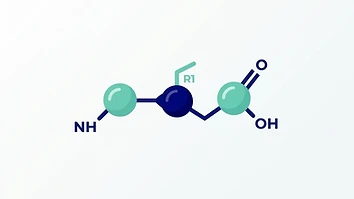
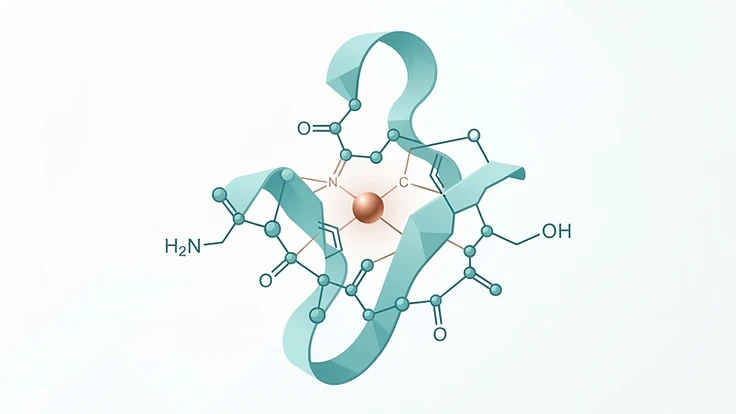
The name comes from its structure. GHK stands for the three amino acids glycine, histidine, and lysine, linked together and bound to a copper ion, written as Cu. Research on this small molecule has looked at:
- Collagen production in skin
- Wound healing speed
- Antioxidant activity
- Broad changes in gene activity related to tissue repair
One often cited finding is that GHK-Cu appears to influence a very large share of the genes studied in gene mapping research, somewhere around 30 percent, based on lab analysis of gene activity changes. That is an unusually broad effect for such a small molecule.
The Skincare Side of the Story
GHK-Cu already has a foothold in mainstream skincare, where it is listed under the ingredient name Copper Tripeptide-1. A clinical trial using a specialized topical gel formula found a meaningful increase in skin collagen after daily use over a few months in a small group of volunteers. This is one of the few peptides in this whole space with an actual human clinical trial behind a specific product, though that trial tested one particular formulation, not GHK-Cu as a general concept.
Where the Research Gets Less Certain
Topical, on the skin, research is stronger than research on injected GHK-Cu. Most of the human data comes from skin application studies, not from injecting the peptide into the body. If you see GHK-Cu discussed for broader, whole body anti-aging use, know that the leap from strong skin data to strong systemic data has not been fully backed by the same level of human research.
There is also a safety note worth knowing. Copper itself is toxic in the wrong form or amount. Some formulation research has actually raised the question of whether certain skin benefits come from the copper ion itself rather than the peptide piece, which is part of why professional formulation and testing matters more than DIY mixing.
Myth vs Fact
Myth: GHK-Cu is a synthetic invention with no natural role in the body. Fact: It is a naturally occurring peptide your body already produces, and it declines with age. That is actually part of what makes it interesting to researchers.
Myth: Since it works well on skin, it must work the same way systemically in the whole body. Fact: The strongest human evidence is for topical, on skin use. Whole body or injectable use rests on a thinner human evidence base.
Bottom Line
GHK-Cu stands out because it is one of the few peptides in this space that your body already makes and that has real clinical trial data behind at least one specific formulation. That does not mean every GHK-Cu product or claim is backed the same way. Read the actual research the specific product or vendor points to, not just the peptide's name.
Research use only. This article is for general education and is not medical advice. GHK-Cu based cosmetic products are regulated differently than injectable research peptides. Talk to a licensed doctor or dermatologist before making any health or skincare decision.
Sources referenced: Pickart and colleagues' genome-wide gene expression research on GHK-Cu; clinical trial data on topical GHK-Cu and skin collagen from Yuvan Research Inc; peer reviewed research on GHK-Cu published in PMC on regenerative and protective actions of the peptide.