Quick answer: BPC-157 is a small, lab-made peptide. It was built from a piece of a protein found in human stomach juice. Scientists have studied it in animals for gut healing and tissue repair since the 1990s. There is a lot of animal data. There is almost no human data. It is not approved by the FDA for any use in people.
What BPC-157 Actually Is
BPC-157 stands for Body Protection Compound 157. It is made of 15 amino acids linked together. Amino acids are just the small building blocks that make up every protein in your body.
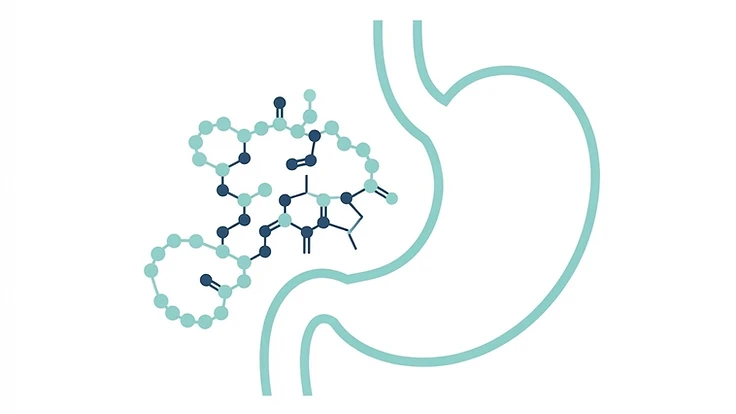
A research team in Croatia first studied this peptide back in 1993. They found it in gastric juice, the acid your stomach uses to break down food. That is why so much early research on BPC-157 looked at gut healing, things like ulcers and colitis.
What the Animal Studies Show
Most of what people say about BPC-157 comes from studies done in rats and mice, not people. In these animal studies, BPC-157 has been linked to a few things:
- New blood vessel growth near an injury. This is called angiogenesis.
- Better healing of stomach ulcers.
- Faster repair of tendons and ligaments in lab animals.
- Lower signs of gut inflammation in colitis models.
The proposed reason behind this is that BPC-157 may switch on a pathway called VEGFR2, which tells the body to grow new blood vessels. More blood flow to a hurt area can help it heal faster, at least in theory.
What the Human Studies Show
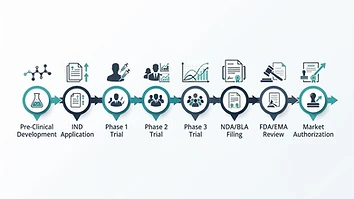
Here is the part most articles skip over. As of 2026, there is no large, well controlled human study proving BPC-157 works for any of these uses. A 2025 review of the published research looked for human safety data on BPC-157 and found none.
That does not mean it is proven unsafe either. It means the human research simply has not been done yet, at least not in a way that has been published and reviewed by other scientists.
Why People Talk About It So Much Anyway
BPC-157 shows up constantly in fitness and recovery communities, and it is often nicknamed alongside TB-500 as part of something called the Wolverine Stack. Some of that attention comes from real interest in the animal science. Some of it comes from people online repeating claims without checking where they came from.
It is worth separating the two. The animal research is real and published. The claims about exactly how it will work in a human body are still a guess, even an educated one.
Where BPC-157 Stands Legally
BPC-157 has gone through several rounds of regulatory changes in the United States since 2022, and the status keeps shifting. As of mid 2026, an FDA advisory committee voted to recommend it for legal compounding, but that vote is not final and does not mean it is FDA approved. For the full and current picture, read our complete BPC-157 legal timeline.
Myth vs Fact
Myth: BPC-157 has been proven to heal injuries in humans. Fact: The published human safety and effectiveness data does not exist yet. Almost everything published so far comes from animal models.
Myth: Because it comes from a natural body protein, it must be safe. Fact: Coming from something natural does not automatically make a lab made version safe or studied. Safety has to be tested directly, not assumed.
Bottom Line
BPC-157 has a real and growing body of animal research behind it. It does not yet have the human clinical trials that would be needed to call it proven or approved. If you are researching this peptide, treat the sourcing question as seriously as the science question. Look for a supplier who shares real, batch specific lab testing.
Research use only. This article is written for general education. It is not medical advice. BPC-157 is not approved by the FDA for use in humans. Talk to a licensed doctor before making any health decision.
Sources referenced: Original 1993 Croatian research group findings on BPC-157; 2025 systematic review of human safety data for BPC-157; general peptide mechanism research summarized across RethinkPeptides, PeptidesExplorer, and BSR Intelligence.