Quick answer: BPC-157 has never been approved by the FDA. That part has not changed. What keeps changing is a much smaller question: can a compounding pharmacy legally make it for a patient with a doctor's prescription. As of September 2026, an FDA panel has recommended allowing that, but the FDA has not made it final yet, and the process to make it official could take another year or more. If you buy BPC-157 online right now, it almost certainly comes from a research supplier, not a pharmacy.
That is the short version. Here is the full story, because the details actually matter here.
Why BPC-157's Status Keeps Changing
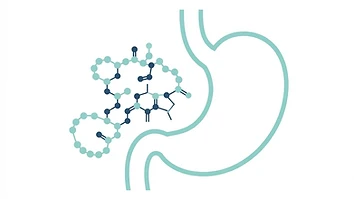
BPC-157 is a small, 15 amino acid peptide first found in human stomach juice. It has never finished a full human clinical trial. It has never been sent to the FDA for drug approval. So it has never been "legal" the way an approved medicine is legal.
What keeps shifting is a narrower question. Can a compounding pharmacy, a special kind of pharmacy that makes custom medicines for one patient at a time, prepare BPC-157 with a doctor's prescription. Here is that story in order.
2022: The World Anti-Doping Agency bans it
WADA added BPC-157 to its list of banned substances. This rule has nothing to do with the FDA. It applies to any athlete who gets tested for banned substances, no matter what happens with U.S. drug rules.
September 2023: The FDA blocks compounding
The FDA put BPC-157 on a list called Category 2. This list is for substances the FDA thinks may carry real safety risks. Once something is on this list, compounding pharmacies are not allowed to make it. This is usually called the 2023 ban. It also affected more than a dozen other peptides at the same time. It did not make BPC-157 illegal to buy as a research chemical. That channel was never covered by this rule at all. It just closed the pharmacy path for patients who had been getting it with a prescription.
February 2026: A reversal gets announced
Health and Human Services leadership said they planned to move BPC-157 and several other peptides back toward being allowed for compounding. This was just an announcement. Nothing changed yet on this day.
April 2026: BPC-157 gets removed from Category 2
The FDA formally took BPC-157 off the Category 2 list. This step happened mostly for procedural reasons. It did not put BPC-157 on the approved list either. It moved into a middle zone, no longer blocked, but not yet cleared.
July 23 and 24, 2026: The FDA's advisory panel votes
This is the newest and biggest update, so it is worth getting exactly right. The FDA's Pharmacy Compounding Advisory Committee met for two days to look at seven peptides being considered for legal compounding. BPC-157 was voted on first. It passed 8 votes to 6, with one member not voting either way. KPV and TB-500 passed by that same 8 to 6 vote. MOTS-c passed 7 to 5. Semax and epitalon were approved the next day.
Here is the part worth slowing down on. The panel's decision went against the FDA's own scientists. Those scientists had looked at five existing BPC-157 studies and said they were too small and too short to prove the peptide is safe or effective for the uses being considered, things like wound healing and gut conditions.
What the July Vote Actually Means
A lot of news coverage got sloppy here, so let's be precise.
It is a recommendation, not a final decision. The FDA does not have to follow its own panel's vote, and it has not issued a final ruling yet.
It is not the same as FDA drug approval. Even in the best case, this only affects whether a pharmacy can prepare BPC-157 for one patient with a prescription. It does not turn BPC-157 into an approved medicine you would find at a regular pharmacy.
It still takes time. A favorable vote like this kicks off a formal process that includes a public comment period. People who track this closely expect the whole process to take another 12 to 24 months from the vote.
The panel itself raised some eyebrows. Several news outlets pointed out that this version of the committee had more members with financial or clinical ties to peptide prescribing than past versions of the same panel.
What Has Not Changed At All
Athletes are still banned from using it. The WADA rule runs completely separate from anything the FDA does.
BPC-157 still has no finished human clinical trial program, for anything.
Most BPC-157 sold online still comes from research suppliers, not pharmacies. That will not change quickly even after the FDA makes a final rule.
Bottom Line
Legal and FDA approved are two different questions. BPC-157's story through most of 2026 is really about the first one, not the second. If you are researching this peptide, how it is sourced matters just as much as the regulatory headlines. Look for a supplier who is open about outside lab testing and shares the actual results.
Research use only. This article is for general information. It is not medical or legal advice. BPC-157 is not approved by the FDA for any human use, and its status can change fast. Check the current status yourself before making any decision. Talk to a licensed doctor or lawyer for guidance about your own situation.
Sources referenced: FDA public advisory committee meeting records from July 2026; reporting from TIME, the American Journal of Managed Care, and PharmExec on the July 23 and 24, 2026 vote; regulatory analysis from PeptidesExplorer and BSR Intelligence.